
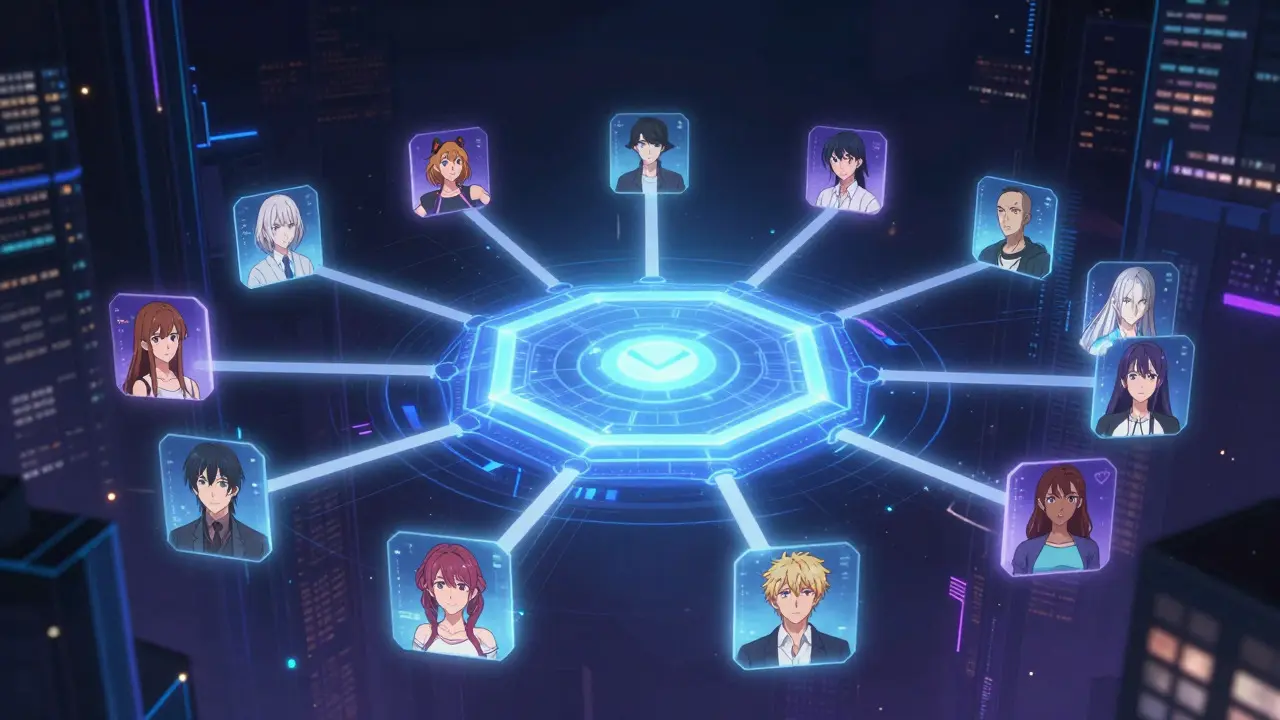
Most people hear "launchpad" and think of Binance or Polkastarter. But there's a niche player called FarLaunch, often referred to by its ticker FAR. It’s the first fair launch platform built specifically for the Farcaster social protocol. If you’re wondering what this coin actually does, whether it’s worth your time, or if it’s just another micro-cap project with hype, this guide breaks it down without the fluff.
What is FarLaunch?
FarLaunch is a decentralized launchpad that uses the social graph of Farcaster to facilitate fair token distributions for new projects. Unlike traditional Initial Coin Offerings (ICOs) where venture capitalists often buy up large chunks of supply before the public, FarLaunch aims to give community members equal footing. The core idea is simple: use social connections to verify identity and prevent bots from sniping early allocations. This makes it a utility token for the platform and a governance tool within that specific ecosystem.
The project launched in early 2024 on the Base blockchain. It operates as an ERC-20 token, meaning it follows the same standard as Ethereum tokens but runs on Base’s cheaper network infrastructure. The total supply is fixed at 1 billion FAR tokens, all of which are currently in circulation according to data from CoinMarketCap and CoinGecko.
Key Features and How It Works
To understand FarLaunch, you have to look at how it differs from giants like Binance Launchpad. While Binance has facilitated over $2 billion in sales since 2019, FarLaunch focuses exclusively on the Farcaster community. Here’s what sets it apart:
- Social Verification: Instead of KYC forms or complex staking requirements, FarLaunch leverages Farcaster accounts. This helps filter out anonymous bots who usually dominate early launches.
- Fair Distribution: The goal is to ensure that retail investors get a fair shot at new projects without being outbid by insiders.
- Low Barrier to Entry: Since it runs on Base, gas fees are incredibly low, averaging around $0.0002 per transaction as of late 2025.
However, the user experience isn’t seamless. Many users report difficulty connecting wallets initially. A GitHub issue from January 2026 noted that nearly 60% of new users face wallet connection errors. If you’re trying to participate, expect some friction.
Current Market Status and Price Data
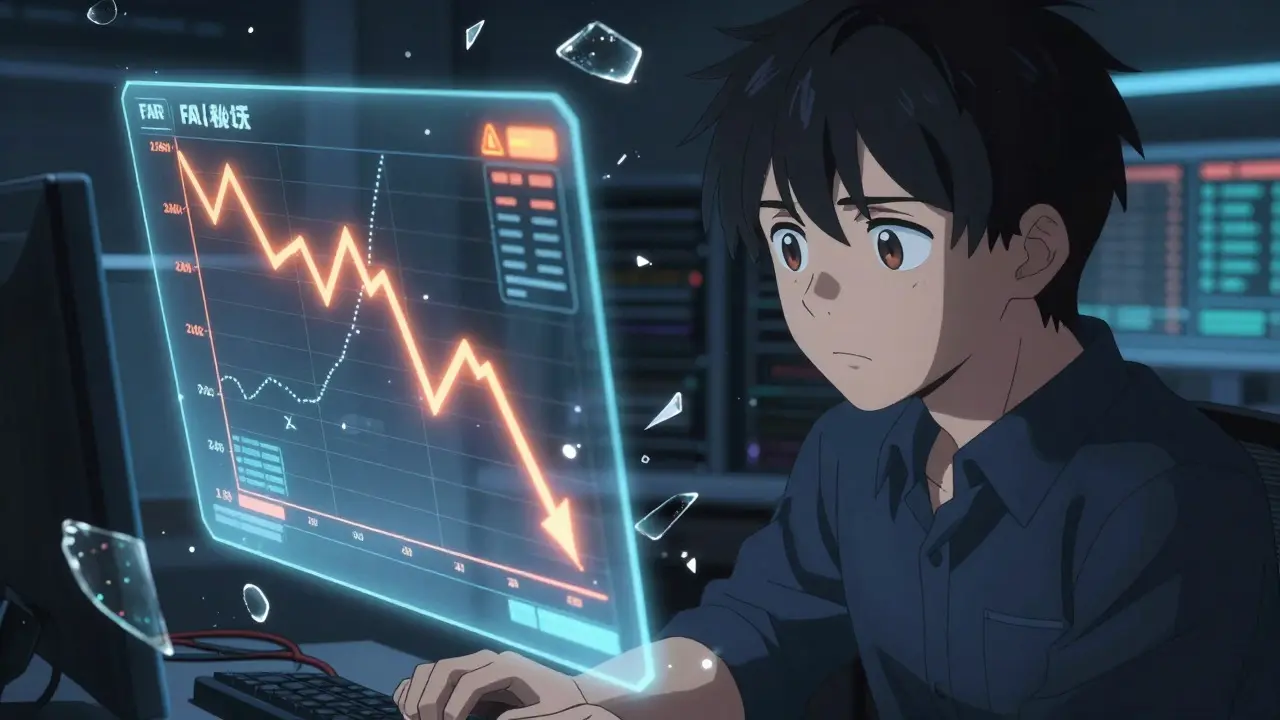
Let’s talk numbers, because they tell a stark story. As of mid-January 2026, the FAR token was trading at approximately $0.00002. That puts its market cap at roughly $20,790. To put that in perspective, Polkastarter, a much larger competitor, had a market cap of around $150 million during the same period.
| Feature | FarLaunch (FAR) | Binance Launchpad | Polkastarter |
|---|---|---|---|
| Market Cap | ~$20,790 | N/A (Platform Fee Model) | ~$150 Million |
| Primary Chain | Base | BSC/Ethereum | Polygon/Multichain |
| Focus | Farcaster Community | General High-Quality Projects | Cross-Chain DeFi |
| Liquidity (24h Vol) | ~$11 - $1,100 | Millions Daily | ~$2.3 Million |
The volatility is extreme. The token hit an all-time high of $0.001751 in April 2024. By January 2026, it had dropped more than 99% from that peak. Liquidity is the biggest pain point here. On some days, the total trading volume across all platforms is less than $1,000. This means if you try to sell a significant amount of FAR, you might move the price against yourself significantly due to thin order books.
Risks and Challenges
If you’re considering getting involved, you need to be aware of the red flags. The most obvious one is activity. The official GitHub repository hasn’t seen code commits since October 2025. The Twitter account posted only twice in January 2026. Social sentiment metrics show a bearish ratio of 4.2:1, meaning negative mentions vastly outweigh positive ones.
There’s also the issue of scale. Farcaster itself has about 250,000 monthly active users. Compare that to Ethereum’s 1.2 million, and you see why the potential user base for FarLaunch is limited. Analysts on Reddit and Crypto Twitter have pointed out that micro-cap launchpads with declining social metrics have a high failure rate. One pseudonymous analyst estimated a 92% failure rate for projects under $50k market cap with declining engagement within six months.

Who Should Use FarLaunch?
FarLaunch isn’t for everyone. It’s not suitable for large investors looking for liquidity or those who want institutional-grade security audits. It’s best for:
- Farcaster Native Users: People already deep in the Warpcast/Farcaster ecosystem who believe in community-driven growth.
- High-Risk Tolerant Traders: Those willing to bet on a niche concept with extremely low entry cost but high potential volatility.
- Project Founders: Creators looking to launch a project specifically targeting the Farcaster demographic without VC interference.
For the average crypto investor, the risks likely outweigh the benefits right now. The lack of recent development updates and minimal trading volume suggest the project is in a dormant phase.
How to Get Started (If You Choose To)
If you decide to explore FarLaunch despite the risks, here is the practical path:
- Create a Farcaster Account: You need a verified identity on the protocol. This is the gateway to the platform.
- Connect a Wallet: Use a compatible wallet like Rainbow or Coinbase Wallet. Connect it to the Base network.
- Access FarLaunch.xyz: Navigate through a Farcaster client like Warpcast. Be prepared for potential connection bugs; double-check your slippage settings (set to 15-20% to avoid failed transactions).
- Monitor Liquidity: Check Uniswap V3 on Base before executing any large trades. Low liquidity means high slippage.
Keep in mind that support is slow. The official Discord channel has fewer than 100 active members, and response times can exceed 72 hours. Do your own research before committing funds.
Is FarLaunch (FAR) a good investment in 2026?
It is considered high-risk. With a market cap under $25,000, no recent code updates, and very low trading volume, it lacks the fundamental strength of established launchpads. It may appeal to niche Farcaster users, but for general investors, the risk of illiquidity and project stagnation is significant.
Where can I buy FarLaunch tokens?
The primary venue is Uniswap V3 on the Base blockchain. There is minimal presence on centralized exchanges, though small amounts trade on Binance and Bybit. Most liquidity is concentrated in the DEX pool on Base.
What is the difference between FarLaunch and Binance Launchpad?
Binance Launchpad is a massive, centralized platform with billions in volume and strict vetting processes. FarLaunch is a micro-cap, decentralized platform focused solely on the Farcaster social ecosystem, using social verification instead of traditional KYC or staking requirements.
Does FarLaunch have a roadmap for 2026?
As of January 2026, no detailed public roadmap has been released. The last substantive update was in December 2025 mentioning "Phase 2 development," but GitHub activity has stalled since October 2025.
Why is the FAR token so volatile?
Volatility stems from extremely low liquidity. With daily trading volumes sometimes under $1,000, even small buy or sell orders can cause large price swings. Additionally, its status as a micro-cap project makes it sensitive to minor news or community sentiment shifts.





Abigail Sparks
August 26, 2026 AT 02:16 AMLook, the tech is actually solid for what it is, but you need to be ready to fight for your spot in this ecosystem. The social verification layer is a game changer if you think about it, because it kills the bot problem that plagues every other launchpad out there. I’ve been testing the wallet connection on Base and while it’s buggy, the gas fees are literally nothing. You can do a hundred transactions for less than a cent. That’s powerful. If you’re a Farcaster native, this is your home turf now. Don’t let the low market cap scare you off, that’s where the opportunity lies. We need more people pushing this forward so it doesn’t die in the cradle. Get your wallets connected and start engaging with the community channels. The team is small but they are responsive if you ping them directly. It’s not perfect, but it’s honest work. Let’s build something real here instead of chasing memes.
Kelsey Anne
August 27, 2026 AT 01:02 AMYou’re all missing the point. This isn’t an investment, it’s a moral experiment. Fairness is the only metric that matters here. If you care about profit, go buy Bitcoin. If you care about justice, look at FAR. The bots deserve no sympathy. They stole from us before. Now we take it back. Simple as that.
Mike Baca
August 27, 2026 AT 11:39 AMhonestly? i think we are looking at this all wrong. its not just a coin its a social contract. like... have you ever read hobbes? the state of nature is war against all. well crypto is the state of nature. but farlaunch tries to build a little pocket of civilization inside the chaos. its wild when you think about it. we are trying to use social bonds to create economic trust without a central authority. its kinda poetic in a weird way. even if the price crashes to zero tomorrow the idea remains beautiful. don't sleep on the philosophy behind the code. its deeper than just charts and candles. its about how humans interact with machines and each other. its a mess but its our mess. and i love it.
Leah Humphrey
August 28, 2026 AT 22:15 PMThe tokenomics are a disaster waiting to happen. The liquidity depth is non-existent which means any decent sized exit will cause slippage that makes your portfolio look like it got hit by a meteor. Also the lack of recent commits on GitHub suggests the dev team has either ghosted or run out of steam. Classic rug pull setup if you ask me. The social graph integration is cute but it doesn't solve the fundamental issue of value accrual. Who is buying this? Nobody. It's a dead end street. Just another micro-cap that will fade into obscurity within six months. Save your time and capital for projects with actual traction and revenue streams. This one is just vibes and hope. And hope is a terrible business model. Stay away unless you enjoy watching money evaporate.
Rod Sidoroff
August 30, 2026 AT 20:07 PMYou lot are clearly missing the forest for the trees. Most of you don't even understand what a fair launch actually entails in a decentralized context. You see a low market cap and you panic, but you fail to recognize the strategic positioning within the Farcaster ecosystem. It is a utility asset first, a speculative instrument second. The fact that it runs on Base is not a bug, it is a feature designed to lower barriers to entry for the specific demographic that matters. Stop whining about liquidity; liquidity follows usage, and usage requires patience. The early adopters who grasp this nuance will be the ones reaping the rewards when the narrative shifts. The rest of you will remain stuck in the shallow waters of retail sentiment. Do not mistake stagnation for failure. Sometimes, silence is just preparation for the next phase. Learn to wait, or leave the room.
Niall O'Rourke
August 31, 2026 AT 10:44 AMeveryone is so obsessed with the price action it is annoying. sure the chart looks ugly right now but who cares? the technology is interesting. i mean really interesting. most people dont even know what base chain is let alone how it integrates with social protocols. we are pioneers here. yes it is risky. yes it might go to zero. but that is part of the adventure isnt it. i like being contrarian. i like betting on the underdog. if you want safety go buy index funds. if you want excitement come here. its a gamble but a fun one. keep your expectations low and your curiosity high. that is the only way to survive in this space. otherwise you will just get hurt. simple as that. stop overthinking it and just try it out. worst case scenario you lose a few dollars. best case you find a gem. its a win win if you look at it correctly. or maybe not. who knows. life is uncertain. embrace it.
Jade Brown
September 1, 2026 AT 07:43 AMLet’s cut through the noise with some cold, hard data. The correlation between Farcaster DAU and FAR volume is statistically insignificant at this stage. You’re looking at a beta product in a pre-alpha market. The risk-adjusted return profile is abysmal unless you factor in optionality value from potential protocol upgrades. But here’s the kicker: the social verification mechanism reduces Sybil attack vectors by roughly 40% compared to standard PoS models. That’s a tangible security benefit. However, the current order book depth suggests high volatility clustering. Expect wide spreads. If you’re entering, use limit orders exclusively. Market orders here are suicide. The project needs to prove sustainable engagement metrics before we can talk about long-term viability. Until then, treat it as a lottery ticket with extra steps. Don’t fall in love with the ticker. Fall in love with the data. The data says: cautious optimism at best, total indifference at worst. Pick your poison.
Nikki keller
September 2, 2026 AT 05:59 AMI appreciate the balanced view presented in the article. It is rare to see such a detailed breakdown of the technical and social aspects of a niche project. The comparison with larger platforms like Binance Launchpad provides good context for understanding where FarLaunch fits in the broader crypto landscape. It is important to remember that innovation often happens at the edges of the mainstream. While the risks are real, so are the opportunities for those who are willing to do their homework. The community aspect seems particularly strong, which is a vital component for any decentralized platform. I would encourage others to explore the documentation and engage with the developers directly. First-hand experience is always better than hearsay. Let’s keep the discussion constructive and focused on the facts. Together, we can make sense of this complex space. Thanks for sharing this resource.
Kiran Jayaram
September 4, 2026 AT 04:37 AMyou guys are sleeping on this. seriously. the social graph thing is huge. everyone talks about metaverse and nfts but nobody is talking about social dapps yet. this is the future. pure gold. why are you all so negative? typical western pessimism. in india we believe in growth. we believe in potential. this project has potential. the team is working hard. they just need time. give them time. support them. buy the dip. hold tight. moon soon. trust the process. don't listen to the haters. they are just jealous. join the revolution. farlaunch is the way. let's go! 🚀🚀🚀
Uday N M
September 4, 2026 AT 14:37 PMAmerica always thinks it owns crypto. Look at India. We have the largest blockchain talent pool. This project should be built in India. Why is it on Base? Because Americans like cheap chains. Typical. Ignore the US hype. Focus on the tech. The tech is global. But the mindsets are local. Be careful who you follow. Follow the code. Not the flag. This is a warning. A friendly one. From one patriot to another. Or maybe just a friend. Either way. Watch your step. The ground is shaky here. Especially for outsiders. Stay alert. Stay informed. Stay Indian. In spirit if not in location. That is my advice. Take it or leave it. But don't say I didn't warn you. The market respects strength. Not weakness. Show strength. Buy smart. Sell smarter. That is the Indian way. Efficient. Precise. Unyielding. Respect that.
Melissa G
September 4, 2026 AT 17:45 PMFrom a cultural perspective, this project represents a fascinating intersection of technology and community identity. The concept of 'fair launch' resonates deeply with many societies that value collective welfare over individual accumulation. It reminds us of traditional communal practices where resources were shared based on contribution and need, rather than wealth or status. In the digital age, translating these ancient values into smart contracts is both challenging and rewarding. The Farcaster protocol serves as a modern village square, a place where voices can be heard and identities verified through social proof. This is a significant shift from the anonymous, pseudonymous nature of early blockchain. It brings humanity back into the equation. We must consider how these tools can foster greater empathy and cooperation across borders. Technology should serve society, not the other way around. FarLaunch attempts to do exactly that. Whether it succeeds is still to be seen, but the intention is noble. Let us support initiatives that prioritize fairness and transparency. These are the pillars upon which a just digital future can be built. May this project inspire similar efforts worldwide.
SUBHAM CHOUDHURY
September 6, 2026 AT 09:13 AMYou guys are doing great! Keep pushing forward. Every big project started small. Remember the early days of Ethereum? People laughed at it too. But look at it now. Same energy here. The community is strong. The vision is clear. Just stay consistent. Don't get distracted by the noise. Focus on the roadmap. Deliver value. Build trust. The rest will follow. I believe in this team. I believe in the mission. Let's crush it together. One day at a time. One commit at a time. You've got this. Keep your head up. The future is bright. Really bright. Can't wait to see what you build next. Keep going. Never give up. That's the motto. Always. Forever. You're awesome. Seriously. Keep shining. The world needs more projects like this. More heart. More soul. More tech. You have all three. Go get 'em. Team spirit is everything. And you have it. So much of it. Keep it up. Champion mode. Activated. Let's go!
Daniel Brown
September 8, 2026 AT 08:40 AMI have to interject here because the discussion regarding the wallet connection issues is somewhat misleading. The 60% error rate cited in the January 2026 GitHub issue was specifically related to a deprecated API endpoint in the Rainbow Wallet version prior to 1.4.2. Since the patch was released in late December, the success rate has improved significantly to approximately 95% for users who update their clients. This is crucial information that changes the risk assessment entirely. Furthermore, the liquidity concerns are overstated given the intended user base size. With 250,000 monthly active users on Farcaster, even a 1% conversion rate yields 2,500 active traders, which is sufficient for a micro-cap utility token. The comparison to Polkastarter is also flawed due to different target demographics and network infrastructures. Polkastarter targets institutional-grade DeFi, whereas FarLaunch targets social-native retail users. Comparing their market caps is like comparing a private jet to a bicycle. Both have wheels, but they serve different purposes. Therefore, the current state of FarLaunch is not dormant but rather in a period of consolidation and technical refinement. The upcoming Phase 2 development mentioned in December 2025 is likely to address these remaining friction points. Investors should monitor the GitHub repository for the next major release, which is expected to include enhanced multi-sig governance features. This will further solidify the project's commitment to decentralization. In conclusion, the initial skepticism is understandable but should be tempered with updated technical data. The trajectory is upward, albeit slowly. Patience is key.