

Imagine trying to buy a house or a car, but your bank tells you that while owning one is perfectly legal, they can't help you move the money to actually get it. That is essentially the reality for cryptocurrency users in Taiwan. The government hasn't banned digital assets-in fact, about 2.3 million people in Taiwan hold them-but they've built a high wall between Taiwan crypto banking restrictions and the traditional financial system. If you're trying to move money from a TWD bank account into a digital wallet, you'll quickly find that the path is not a straight line.
| Activity | Status | Regulatory Body |
|---|---|---|
| Owning Bitcoin/Ethereum | Legal | FSC |
| Using Registered VASPs | Legal (Mandatory) | FSC / AML Authority |
| Bank-led Crypto Exchanges | Prohibited | FSC / CBC |
| Crypto via Credit Card | Prohibited | FSC |
| TWD Stablecoins | Regulated (From June 2025) | FSC |
The Great Divide: Why Your Bank Won't Help You
The friction you feel when using a Taiwanese bank for crypto isn't a glitch; it's a feature of the law. Since 2014, the Financial Supervisory Commission (FSC) has treated Bitcoin not as money, but as a "virtual commodity." Because they see it as a highly speculative asset, they've explicitly forbidden local banks from accepting Bitcoin or providing conversion services between fiat currency and digital assets.
This restrictive stance got even tighter on July 4, 2022. The FSC told the local bankers association to stop allowing credit card acquirers to process payments for crypto purchases. In the eyes of the regulator, buying crypto with a credit card is viewed similarly to online gambling or unauthorized futures trading. This means if you try to use your local credit card on an international exchange, there is a very high chance the transaction will be declined instantly.
Navigating the VASP Ecosystem
Since you can't go through a bank, you have to go through a Virtual Asset Service Provider (VASP). As of January 1, 2025, registration for these providers is no longer a "nice-to-have"-it's a legal requirement. Any platform operating in Taiwan must be registered to avoid massive fines of up to NT$5 million or even jail time for the executives.
Currently, about 23 VASPs have jumped through these regulatory hoops to ensure they are compliant with Anti-Money Laundering (AML) rules. A prime example is MaiCoin, which has grown into the largest local exchange, handling roughly $70 million in daily volume. Because these exchanges operate as independent entities rather than bank departments, they act as the sole bridge between your TWD and your digital assets.

The Stablecoin Shift and CBDC Hopes
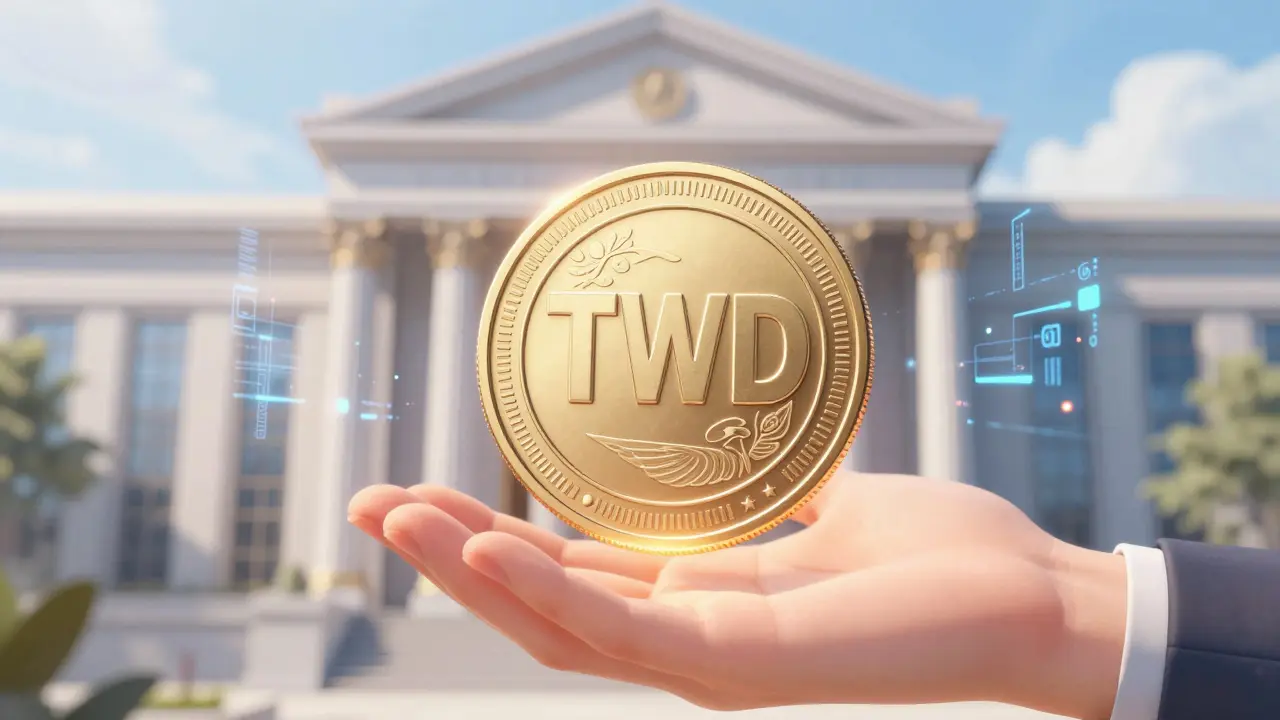
The landscape is shifting slightly as the government looks for a "safe" way to digitize money. Starting in June 2025, Taiwan is introducing a specific framework for stablecoins pegged to the New Taiwan Dollar (TWD). Unlike unregulated options like USDC or USDT, these government-backed stablecoins may actually be issued by regulated financial institutions.
Parallel to this, the Central Bank of the Republic of China (Taiwan) has been testing a Central Bank Digital Currency (CBDC). By collaborating with the Ministry of Digital Affairs, they are leveraging existing digital voucher infrastructure to see if a state-run digital currency can coexist with the current banking restrictions. If the CBDC takes off, we might see a gradual softening of the rules, as the government would finally have a digital asset they actually trust.
Practical Workarounds for Users
So, how do people actually trade if the banks are blocking the exits? Most Taiwanese users rely on a mix of registered local exchanges and peer-to-peer (P2P) trading. While direct bank transfers to an exchange might be flagged or restricted depending on the bank's internal risk appetite, P2P platforms allow users to trade directly with one another, bypassing the corporate banking layer.
Many users also utilize third-party payment processors or cash-based transactions to fund their accounts. It's a bit of a cat-and-mouse game. For instance, while MaiCoin provides a regulated environment, some users find the lack of deep banking integration frustrating, which is why international platforms that have complied with VASP registration often see higher satisfaction scores for their technical functionality.
The Cost of Compliance for Businesses
If you're looking to start a crypto business in Taiwan, be prepared for a steep climb. It typically takes 3 to 6 months just to navigate the VASP registration process. You'll need to spend between NT$2 million and NT$5 million just on the basic compliance infrastructure-think cybersecurity audits and AML monitoring software-before you even make your first trade.
Even after registration, the struggle doesn't end. Many crypto firms report that they still can't get a standard corporate bank account for basic needs like paying employees or vendors. The Taiwan Virtual Asset Service Provider Association, formed in June 2024, tries to help by setting self-regulatory standards, but the banking sector remains hesitant to touch anything that smells like "crypto," regardless of the registration status.
Can I use my Taiwan credit card to buy crypto?
Generally, no. The FSC issued a directive in July 2022 prohibiting credit card acquirers from providing services for crypto-asset purchases. Most local banks will block these transactions automatically.
Is it illegal to own Bitcoin in Taiwan?
No, it is completely legal to own and trade cryptocurrencies in Taiwan. The restrictions are focused on the banking institutions and the service providers, not the individual holders.
What is a VASP and why does it matter?
A Virtual Asset Service Provider (VASP) is any business that trades, exchanges, or stores digital assets. Since January 1, 2025, they must be registered with the government to operate legally in Taiwan, ensuring they follow Anti-Money Laundering (AML) rules.
Are there any government-approved stablecoins in Taiwan?
As of June 2025, the FSC is introducing a framework for TWD-pegged stablecoins. These will be regulated and potentially issued by financial institutions, offering a safer, legal alternative to unregulated coins like USDT.
What happens if a crypto exchange operates without registration?
Non-compliant entities face severe penalties, including fines of up to NT$5 million and potential imprisonment for the individuals responsible for up to two years.
Next Steps and Troubleshooting
Depending on who you are, your strategy for dealing with these restrictions will differ:
- For Retail Investors: Stick to registered VASPs to ensure your funds are protected under FSC guidelines. If your bank blocks a transfer, check if the exchange supports P2P options or alternative payment gateways.
- For Entrepreneurs: Start your compliance journey early. Budget at least NT$2 million for your initial legal and technical setup, and engage with the Taiwan Virtual Asset Service Provider Association for industry-standard guidance.
- For Institutional Players: Keep a close eye on the CBDC prototype results and the June 2025 stablecoin legislation. These will be the primary gateways for traditional finance to finally enter the digital asset space.










Iestyn Lloyd
April 28, 2026 AT 08:24 AMIt's quite common for jurisdictions to separate traditional banking from digital assets to mitigate systemic risk. The approach here is a standard risk-mitigation strategy often seen in emerging markets where the regulatory framework is still catching up to the technology.
Robert Smith
April 30, 2026 AT 04:42 AMCrazy rules man 🤯🚀