Solo mining Bitcoin in 2026 is effectively a lottery ticket you buy every ten minutes. The network difficulty has climbed so high that the odds of an individual miner finding a block are astronomical. This reality has forced the entire industry into a collective embrace of mining pools, which are collaborative groups of cryptocurrency miners who combine their computational resources to increase their chances of earning rewards. What started as a workaround for small operators has become the backbone of global blockchain security. Today, these pools aren't just utilities; they are sophisticated financial and technological entities competing for dominance.
The Shift from Utility to Strategic Partner
In the early days of crypto, joining a pool was about survival. You joined to get steady payouts instead of waiting months for a single block reward. That dynamic has changed. By 2025 and moving into 2026, mining pools have evolved into strategic partners that offer more than just hash rate aggregation. They now provide infrastructure, compliance assurance, and diversified revenue streams.
The competition among major players has intensified. It’s no longer enough to have the biggest server farm. Pools like Neopool, which operates with a significant hashrate of over 15 EH/s, focus heavily on profitability algorithms and technical innovation. Their CEO, Andrei Kapeikin, emphasized that staying ahead requires continuously introducing new algorithms rather than just keeping pace with the market. Meanwhile, established giants like ViaBTC have pivoted toward trust and compliance. In 2025, ViaBTC passed the SOC 2 Type I audit, a critical step for institutional investors who demand rigorous security standards before deploying capital.
This shift means that when you choose a pool today, you’re not just picking a payout method. You’re selecting a partner whose stability, transparency, and technological roadmap align with your long-term goals. The difference between profit and loss often hinges on this choice, especially as energy costs fluctuate and hardware efficiency becomes paramount.
Technological Drivers: ASICs and Efficiency
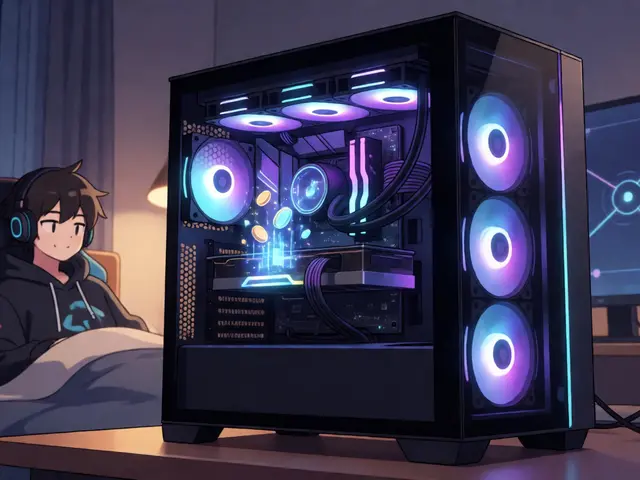
The hardware landscape is driving the software evolution. The deployment of next-generation Application-Specific Integrated Circuit (ASIC) miners, such as the Antminer S23 Hyd and S23 Imm, is reshaping the industry. These machines offer higher output with reduced resource consumption, but they require robust infrastructure to manage heat and power efficiently.
- Hydro-cooled ASICs: Machines like the S23 Hyd allow for denser mining setups and quieter operations, making them suitable for urban or semi-urban facilities where noise pollution is a concern.
- Immersion Cooling: Technologies used in models like the S23 Imm extend the lifespan of hardware by maintaining optimal temperatures, reducing maintenance downtime.
- Intelligent Hashrate Management: Pools are developing smarter systems that dynamically adjust difficulty and share submission rates to match the capabilities of newer, faster hardware.
These advancements mean that mining pools must upgrade their backend infrastructure to handle the increased data throughput and lower latency requirements of modern ASICs. If a pool’s servers can’t keep up with the speed of an S23, miners will experience stale shares, directly cutting into their profits. This technological arms race ensures that only pools with significant R&D budgets remain competitive.
Beyond Bitcoin: Diversification and Staking
Relying solely on Bitcoin block rewards is risky, especially during market downturns. Recognizing this, several leading pools have expanded their service offerings to include staking and multi-token support. F2Pool, for instance, partnered with stake.fish to offer staking services for Ethereum (ETH), Solana (SOL), NEAR, and even Bitcoin via the Babylon Network.
This diversification is crucial for the future of the mining pool industry. It allows miners to earn yields on assets that aren’t actively being mined, smoothing out income volatility. For a large-scale operation, this means better cash flow management. For a hobbyist, it provides a way to participate in Proof-of-Stake ecosystems without leaving the familiar interface of their mining dashboard.
| Pool Name | Primary Focus | Key Innovation/Feature | Target Audience |
|---|---|---|---|
| Neopool | Profitability & Algorithms | Custom algorithms for optimal ROI | Tech-savvy miners seeking max yield |
| ViaBTC | Compliance & Trust | SOC 2 Type I Audit Certified | Institutional investors & conservative miners |
| F2Pool | Diversification | Multi-token staking (ETH, SOL, BTC) | Miners wanting passive income options |
| AntPool | Market Share & Promotions | Zero-fee mining promotions for rig buyers | New entrants & bulk hardware purchasers |
Energy Sustainability and Regulatory Pressure
No discussion about the future of mining is complete without addressing energy. As governments worldwide scrutinize the carbon footprint of cryptocurrency, mining pools are under pressure to prove sustainability. This isn't just PR; it's a license to operate. Pools are increasingly partnering with renewable energy providers and locating facilities in regions with surplus green energy.
We are seeing a rise in "stranded energy" projects, where mining rigs utilize excess power from hydroelectric dams or solar farms that would otherwise go to waste. This model reduces the marginal cost of electricity for miners while helping grid stability. Pools that can verify their energy sources through transparent reporting will attract premium institutional capital. The era of hiding behind vague environmental claims is over; data-driven sustainability metrics are becoming a standard feature in pool dashboards.
The Human Element: Automation and New Roles
As technology advances, the human workforce in mining is transforming. Traditional roles involving physical labor and manual equipment checks are being replaced by automation. Unstaffed autonomous vehicles and remote monitoring systems are reducing the need for on-site presence, particularly in harsh environments.
This shift creates new opportunities for skilled professionals. Data scientists, AI specialists, and network engineers are now in high demand within the mining sector. These experts build the intelligent systems that optimize hashrate distribution, predict hardware failures, and manage energy consumption in real-time. For younger workers, the appeal of working in a high-tech, remote-friendly industry is growing. The stereotype of the mining worker is changing from a rugged field operator to a digital infrastructure engineer.
How to Choose a Pool in 2026
With so many options, how do you decide? The decision should be based on a clear understanding of your operational scale and risk tolerance. Here is a practical checklist for evaluating mining pools:
- Payout Method: Do you prefer Pay Per Share (PPS), which offers consistent income regardless of luck, or Pay Per Last N Blocks (PPLNS), which rewards loyalty but carries more variance?
- Fee Structure: Look beyond the base percentage. Are there hidden withdrawal fees or minimum payout thresholds that trap your earnings?
- Server Location: Lower latency means fewer stale shares. Choose a pool with servers geographically close to your mining rig.
- Transparency: Does the pool publish regular reports on hashrate, uptime, and energy usage? Trust is built on data, not promises.
- Additional Services: If you hold other cryptocurrencies, does the pool offer staking or easy conversion options?
Don't be afraid to switch pools. Many miners test different platforms for a month to compare actual performance against advertised metrics. Your hardware is a significant investment; ensure your pool partner respects that value.
Is solo mining still viable in 2026?
For most individuals, solo mining Bitcoin is no longer economically viable due to extreme network difficulty. It remains an option for those with access to massive amounts of cheap electricity and industrial-grade hardware, but the variance in income makes it risky. Most miners join pools to receive steady, predictable payouts.
What is the impact of ASIC upgrades on mining pools?
Newer ASICs like the Antminer S23 series generate more hashes per second but also produce more heat and require faster data processing. Mining pools must upgrade their server infrastructure to handle the increased load and reduce latency. Failure to do so results in 'stale shares,' where miners get paid less because their work was submitted too late.
Why is SOC 2 certification important for mining pools?
SOC 2 Type I certification validates that a pool has strong security controls and operational processes. As institutional investors enter the crypto space, they require proof of security and compliance. Pools like ViaBTC obtaining this audit signal trustworthiness, attracting larger capital inflows and professional miners.
Can mining pools help with sustainability goals?
Yes. Modern mining pools are increasingly integrating with renewable energy grids and utilizing stranded energy. By optimizing energy use and providing transparent carbon footprint data, pools help miners meet regulatory requirements and appeal to eco-conscious investors.
What role does staking play in the future of mining pools?
Staking diversifies revenue streams. Pools offering staking for tokens like ETH, SOL, and BTC (via Babylon) allow miners to earn yields on idle assets. This reduces reliance on volatile block rewards and provides a more stable income model, especially during bear markets.