
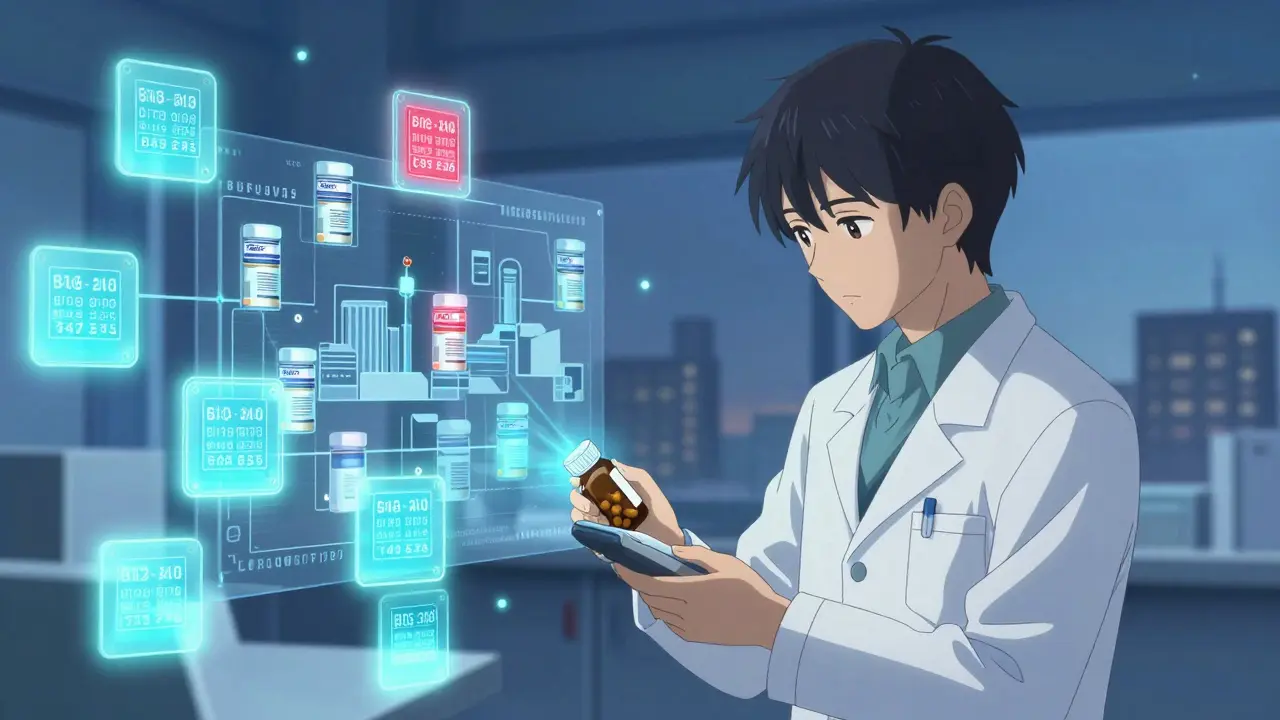
Every year, millions of people around the world receive fake or contaminated prescription drugs. These aren’t just ineffective-they can kill. In 2025, the World Health Organization estimated that 1 in 10 medications in low- and middle-income countries are counterfeit. Even in places like the U.S. and New Zealand, where regulation is stronger, the problem doesn’t disappear. A broken supply chain, manual record-keeping, and disconnected systems make it easy for bad actors to slip in fake pills, expired batches, or stolen prescriptions. But there’s a new tool changing all of this: blockchain prescription drug tracking.
Why the Current System Fails
Right now, tracking a prescription from factory to pharmacy is like trying to follow a paper trail through a hurricane. Each step-manufacturing, shipping, wholesaling, dispensing-is handled by different systems. Pharmacies use one database. Manufacturers use another. Insurance companies have their own logs. And none of them talk to each other in real time. When a box of oxycodone leaves a factory in Ohio, there’s no way to know if it was rerouted through a warehouse in Mexico before landing in your local pharmacy. If the barcode gets scanned wrong, or if someone forges a prescription, there’s no automatic flag. Paper records get lost. Digital records get hacked. And by the time anyone notices, the damage is done. This isn’t just about fraud. It’s about safety. Expired antibiotics. Mislabelled insulin. Fake cancer drugs. All of these have made it into real patient hands because the system was too slow, too fragmented, and too trusting.How Blockchain Fixes It
Blockchain doesn’t store files. It doesn’t host websites. What it does is record transactions-in a way that can’t be erased, changed, or faked. Every time a drug package moves-from the manufacturer to the distributor, from the distributor to the pharmacy, from the pharmacy to the patient-it gets logged as a new block on the chain. Each block contains:- Unique serial number of the drug package
- Timestamp of every handoff
- Location and ID of the person or system that handled it
- Verification from the manufacturer that the product is legitimate
- Is the barcode valid and unaltered?
- Has the drug expired?
- Has the manufacturer confirmed this batch is real?
- Is this prescription flagged in the state’s drug monitoring program?
Smart Contracts and Patient Control
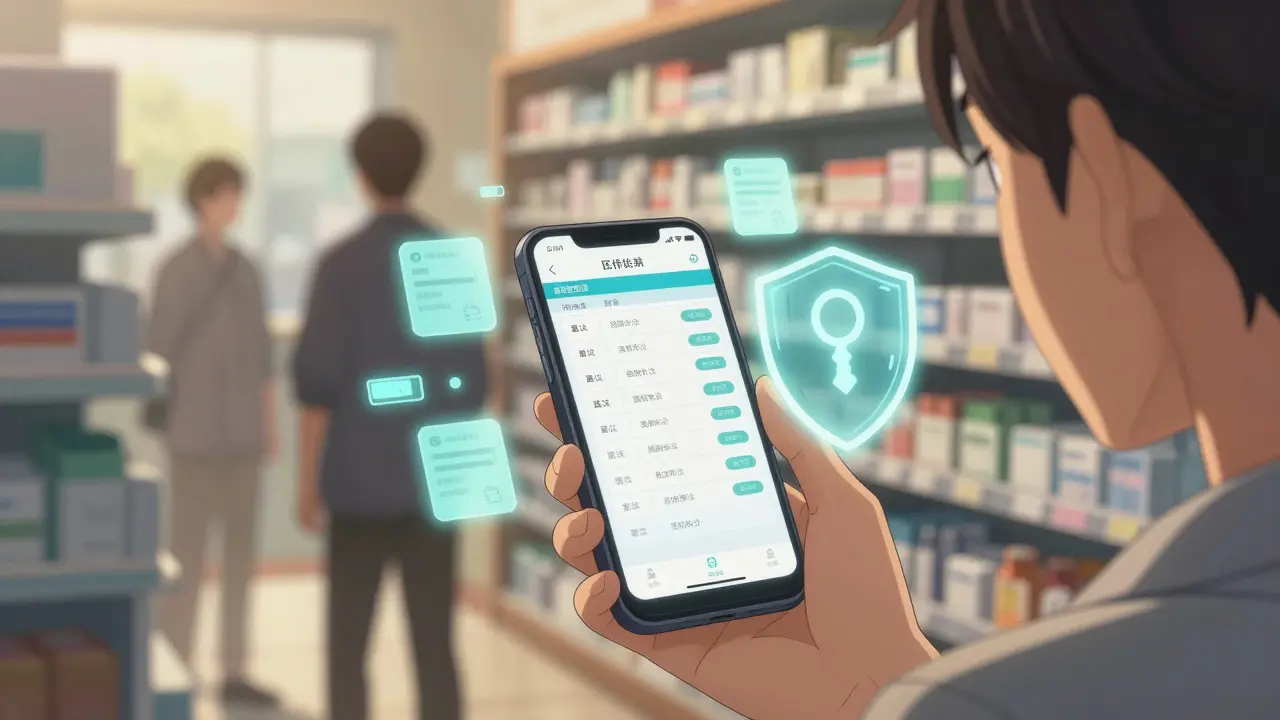
Beyond tracking, blockchain enables something even more powerful: patient-controlled access. Traditional e-prescriptions are stored in hospital servers. If the server is hacked, your entire medical history is exposed. The Decentralized Medication Management System (DMMS) a blockchain-based system where each prescription transaction is encrypted with the patient’s public key, ensuring only the patient’s private key can decrypt and access the data flips that model. Here’s how it works:- Your doctor sends an e-prescription to the blockchain-not a hospital server.
- The prescription is encrypted using your unique public key.
- Only your private key (stored on your phone or a secure device) can unlock it.
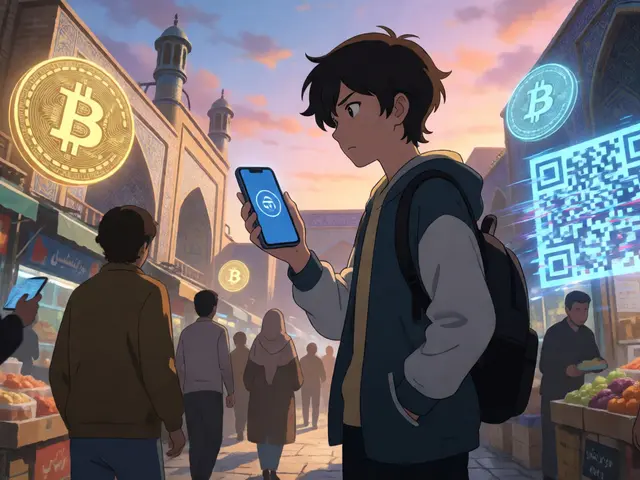
- When you go to the pharmacy, you scan a QR code to grant temporary access to your prescription.
Integration with Prescription Drug Monitoring Programs
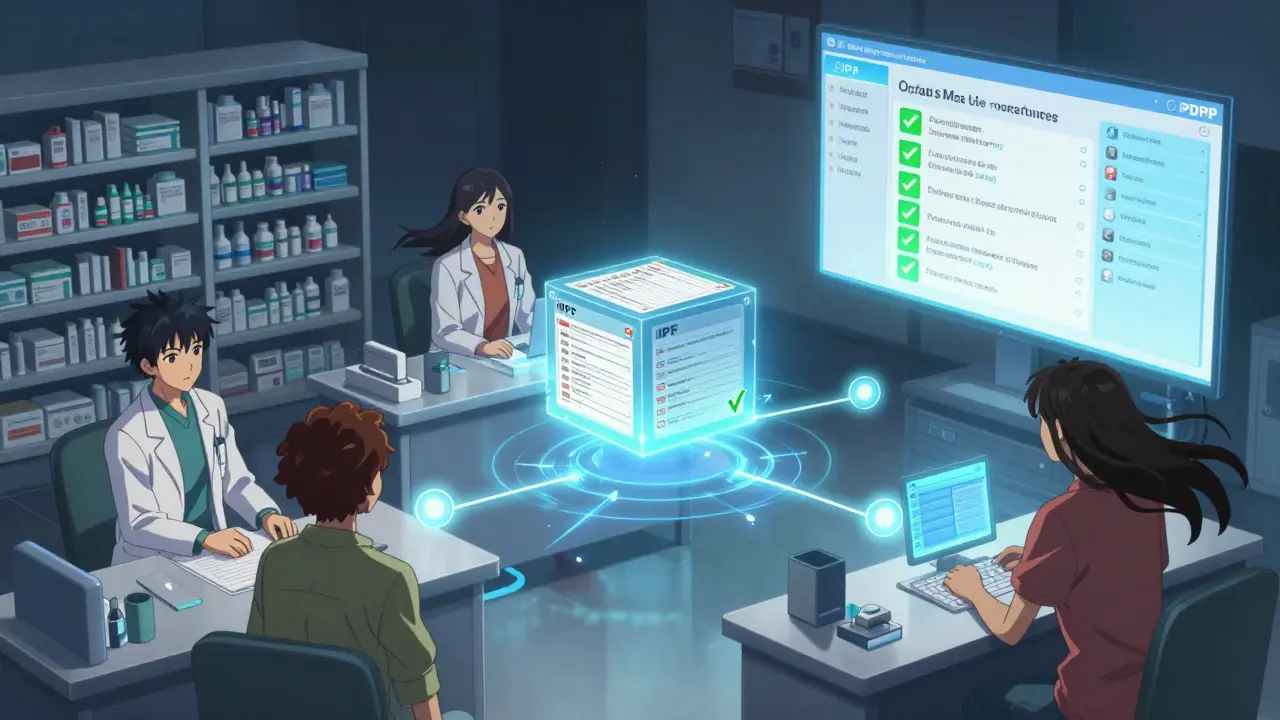
One of the biggest wins? Automatic updates to state Prescription Drug Monitoring Programs (PDMPs). Right now, when a doctor prescribes opioids or benzodiazepines, they have to manually report it. Many don’t. Some forget. Others are too busy. That’s how addiction slips through the cracks. With blockchain, every time a controlled substance is dispensed, the system automatically logs the event and pushes a verified update to the PDMP. No paperwork. No delays. No loopholes. This isn’t just about catching abusers-it’s about helping patients who need these drugs. If a patient’s history shows they’ve been taking the same dose for two years without issue, the system flags them as low-risk. If someone suddenly requests 10 different painkillers from 5 different doctors in a week? The pharmacist gets an alert before they fill the script.Hybrid Systems: Blockchain + IPFS
Blockchain is great for tracking transactions. But it’s terrible at storing large files-like full medical records, lab results, or images. That’s where InterPlanetary File System (IPFS) a decentralized file storage network used alongside blockchain to securely store large encrypted prescription data outside the ledger comes in. Here’s the hybrid model:- The blockchain records: “Patient A received Prescription X from Pharmacy Y on Feb 10, 2026.”
- IPFS stores the full, encrypted prescription details: dosage, allergies, doctor notes.
- Only the patient’s private key can decrypt the IPFS file.
Real-World Impact: What’s Changed?
In UCLA’s BRUINchain pilot, they saw:- 98% reduction in manual paperwork for pharmacists
- 99.2% accuracy in verifying drug authenticity
- 47% faster identification of expired or suspect products
- Zero instances of counterfeit drugs reaching patients during testing
Challenges Still Left to Solve
Blockchain isn’t magic. It has hurdles:- Energy use: Some blockchains (like Bitcoin) use massive amounts of electricity. But newer systems use proof-of-stake or permissioned networks-cutting energy use by 99%.
- Standardization: Not every manufacturer uses the same barcode format. Until everyone agrees on one standard, scanning fails.
- Legal gray zones: Who owns the data? Who’s liable if the system fails? Laws haven’t caught up.
- Adoption: Small pharmacies can’t afford the tech. Governments need to fund rollout.
What’s Next?
The FDA’s DSCSA deadline for full traceability is 2023-but many players are still behind. In 2026, we’re seeing the first real-world systems go live. The next five years will be about scaling. Expect:- Government mandates requiring blockchain for all controlled substances
- Integration with national health IDs (like New Zealand’s My Health Record)
- Smart contracts that auto-report adverse reactions to regulators
- Mobile apps letting patients see the full journey of their medication-from factory to shelf
How does blockchain prevent counterfeit drugs from reaching patients?
Blockchain prevents counterfeit drugs by creating an immutable, tamper-proof record of every transaction in the supply chain. Each drug package is assigned a unique digital identity, scanned at every handoff-from manufacturer to distributor to pharmacy. If a fake product enters the chain, its barcode or serial number won’t match the blockchain record. Pharmacies use scanners to verify authenticity in real time, and any mismatch triggers an automatic alert. The system also checks manufacturer verification and expiration dates, stopping illegitimate drugs before they’re dispensed.
Can patients see who accessed their prescription?
Yes, in systems like the Decentralized Medication Management System (DMMS), patients control access to their prescriptions using a private key. Every time a doctor writes a prescription or a pharmacy dispenses it, the event is recorded on the blockchain. Patients can view a timestamped log showing exactly who accessed their data and when-whether it was their doctor, the pharmacy, or a health insurer. No one can access the data without the patient’s explicit permission.
Is blockchain better than current electronic prescription systems?
Yes, because current systems rely on centralized databases that can be hacked, altered, or lost. Blockchain removes single points of failure by distributing data across hundreds of trusted nodes. Transactions are cryptographically secured and cannot be changed after being recorded. This eliminates common issues like prescription forgery, duplicate fills, and unauthorized access. Plus, blockchain automatically updates drug monitoring programs, reducing delays and human error.
Does blockchain track all prescription drugs or just controlled substances?
Initially, blockchain tracking focused on controlled substances like opioids and benzodiazepines due to high abuse risks. But the technology works for any drug. Systems like BRUINchain already track antibiotics, insulin, vaccines, and chemotherapy drugs. The goal is full supply chain visibility-so every medication, regardless of risk level, can be traced from factory to patient.
Why hasn’t blockchain been widely adopted yet?
Adoption is slow because it requires coordination across hundreds of organizations-manufacturers, distributors, pharmacies, insurers, and regulators. Standardizing data formats, upgrading scanning equipment, and training staff takes time and money. Legal frameworks around data ownership and liability are still being developed. Most systems are still in pilot phases, like the FDA’s DSCSA program. Widespread use will likely take another 3-5 years as costs drop and regulations catch up.







blake blackner
February 14, 2026 AT 08:59 AMthis is actually kinda wild fr. i had a friend get fake xanax last year and nearly died. blockchain sounds like the only thing that can actually stop this bs. 🚀💊
Andrea Atzori
February 14, 2026 AT 09:21 AMThis is nothing short of revolutionary. The integration of blockchain with patient-controlled encryption represents a paradigm shift in pharmaceutical integrity. Imagine a world where your medication’s journey is as transparent as your bank statement-secure, verifiable, and inviolable. We must accelerate adoption.
Joe Osowski
February 15, 2026 AT 05:06 AMblockchain? really? we’re trusting tech instead of people? in america? lol. this is why we’re falling behind. china’s got real solutions. this is just techbro nonsense wrapped in buzzwords.
Grace Mugambi
February 15, 2026 AT 10:15 AMI appreciate the optimism here, but let’s not pretend this is a silver bullet. The real issue isn’t the tech-it’s the human systems around it. Who trains the pharmacists? Who pays for the scanners? Who ensures small clinics aren’t left behind? Technology doesn’t fix inequality. People do.
Ekaterina Sergeevna
February 16, 2026 AT 19:41 PMOh wow. Another ‘blockchain will solve everything’ manifesto. Let me guess-next you’ll tell me NFTs will cure cancer? This reads like a startup pitch deck written by someone who thinks ‘immutable ledger’ is a personality trait. 🤡
Desiree Foo
February 18, 2026 AT 19:36 PMI’m so glad we’re finally doing something right. This is exactly the kind of innovation we need-ethical, secure, and patient-centered. Too bad it took us this long. We’ve lost so many lives to laziness and bureaucracy. This? This is accountability. Finally.
Kaz Selbie
February 20, 2026 AT 09:17 AM99.2% accuracy? lol. you think a barcode scan is foolproof? i’ve seen pharmacists scan the wrong bottle 3x in a row and still say ‘all good’. tech doesn’t fix human error. it just makes it look fancy. also, who’s guarding the private keys? grandma with her phone in her dentures?
Robbi Hess
February 21, 2026 AT 03:34 AMThe FDA deadline was 2023. We’re in 2026. And you’re telling me this is ‘the next step’? That’s like saying ‘we’re finally building roads’ 20 years after the car was invented. This is painfully slow. We need urgency, not PowerPoint presentations.
Keturah Hudson
February 21, 2026 AT 11:49 AMIn my country, we’ve seen how centralized health systems fail-especially for immigrants and non-English speakers. A blockchain system that puts control in the patient’s hands? That’s not just tech. That’s dignity. This could be a model for global health equity.
Ace Crystal
February 22, 2026 AT 19:14 PMThis is the future. And it’s not coming slow-it’s exploding. Imagine a world where your insulin bottle tells you its origin, its expiry, and whether it’s been tampered with-all before you open it. That’s not sci-fi. That’s Tuesday. Let’s build it. Let’s scale it. Let’s make it universal.
Brittany Meadows
February 23, 2026 AT 01:55 AMok but what if the blockchain gets hacked? 😈 what if the ‘private key’ is just a backdoor for the gov? what if this is all just a way to track us? i’ve seen documentaries. they’re already using qr codes to monitor our meds. this is step one. next: mandatory biometric scans before you can take aspirin. 🤖💊
SAKTHIVEL A
February 23, 2026 AT 11:07 AMThe implementation of blockchain-based pharmaceutical traceability constitutes a monumental advancement in supply chain governance, predicated upon cryptographic immutability and distributed consensus architecture. However, the conflation of technical feasibility with sociopolitical viability remains a critical epistemological gap. One must interrogate the hegemonic infrastructure underpinning regulatory compliance, particularly in jurisdictions where institutional trust is structurally eroded. The technological solution, while elegant, does not inherently resolve the ontological crisis of systemic neglect.