
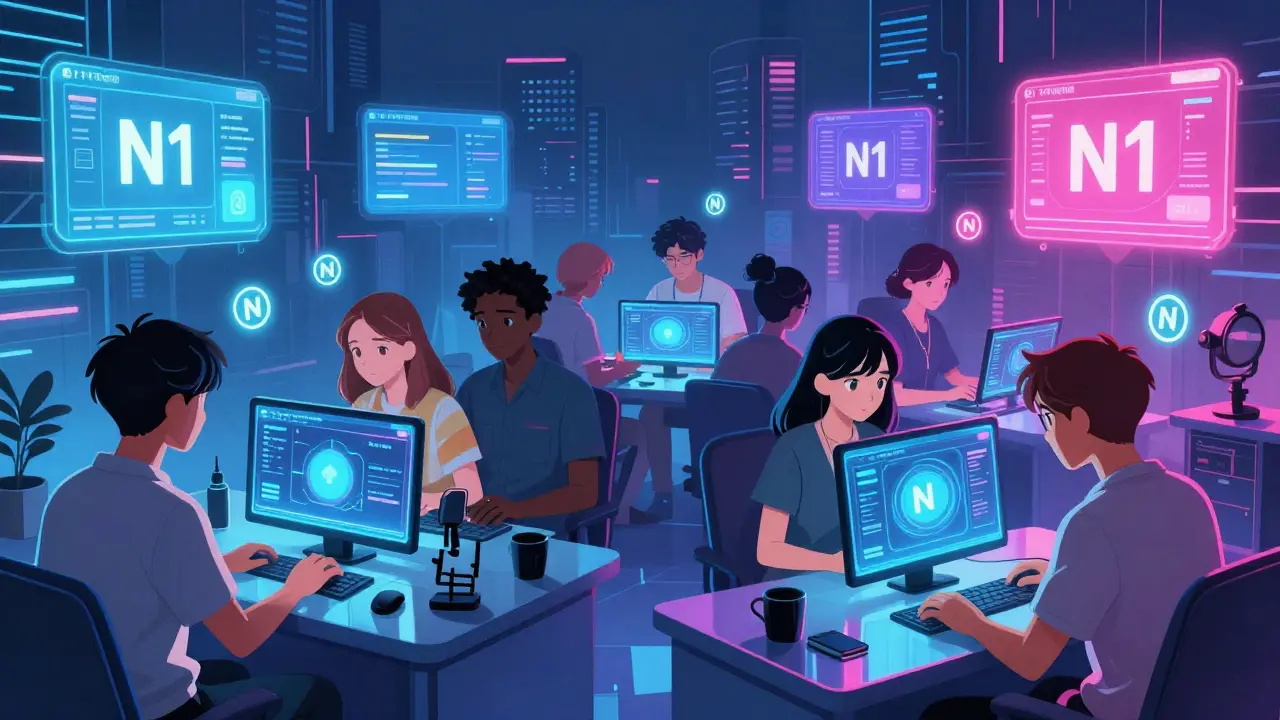
The N1 airdrop by NFTify was never meant to make you rich overnight. It was designed to turn passive followers into active users - people who actually built NFT stores, listed items, and bought from others on the platform. If you missed it, you didn’t just miss free tokens. You missed a rare chance to get involved in a project that cared more about real usage than hype.
What Was the N1 Airdrop?
NFTify launched its N1 airdrop in late 2024, just two months after the platform went live. The goal? Get people to stop scrolling and start creating. The total prize pool was $12,300 in N1 tokens - not massive compared to some crypto airdrops, but smartly distributed to reward real action, not just Twitter follows.
The N1 token is the native currency of the NFTify ecosystem. It’s used for platform fees, discounts on listing, and future governance. Unlike many tokens that float without purpose, N1 had clear utility from day one: it powered the marketplace.
How the Airdrop Was Structured
The N1 airdrop didn’t just hand out tokens randomly. It had three clear reward tiers, each tied to a specific action:
- 1,000 winners got $10 each - This was the main reward. To qualify, you had to complete all tasks: follow NFTify on Twitter, join their Telegram group and channel, submit your BSC wallet address, and fill out the Gleam form. No tricks. No luck. Just doing the work.
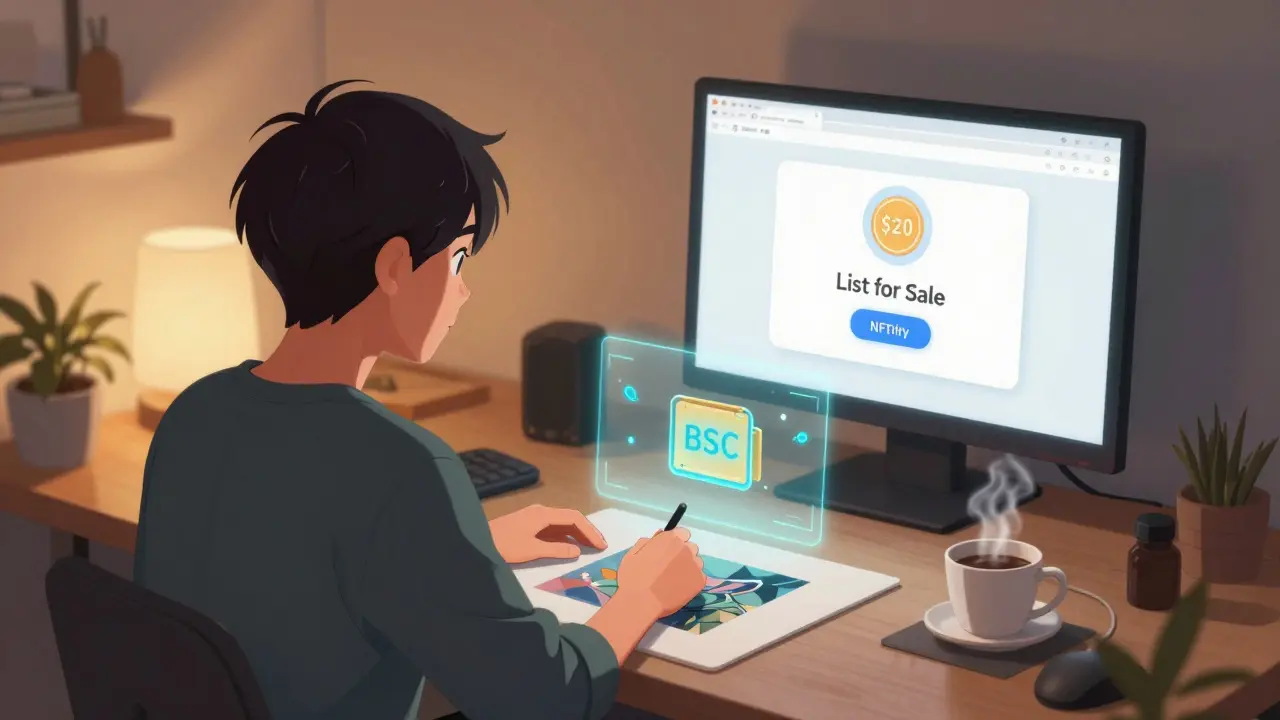
- First 100 store creators got $20 each - This was the real differentiator. You didn’t just sign up. You had to create a full NFT store, mint at least one NFT, and list it for sale. This wasn’t about joining - it was about building. NFTify wanted proof people were using the tool, not just collecting free tokens.
- 10 random buyers got $30 each - To encourage actual marketplace activity, NFTify picked 10 buyers who made purchases on the platform during the campaign period. This pushed users beyond just listing and into trading.
That structure tells you everything about NFTify’s philosophy: they weren’t trying to inflate their token price with speculation. They were trying to build a functioning NFT marketplace - one where people create, sell, and buy.
How to Participate (Back When It Was Active)
If you had joined during the campaign, here’s exactly what you’d have needed to do:
- Follow @NFTify_official on Twitter
- Retweet the official airdrop post
- Join the NFTify Telegram group
- Join the NFTify Telegram channel
- Submit your Binance Smart Chain (BSC) wallet address
- Complete the Gleam entry form with your details
The Gleam page was the central hub. It tracked your progress, verified your social actions, and stored your wallet info. No third-party apps. No shady contracts. Just a clean, simple form tied to your BSC wallet.
Why BSC? Because it’s cheap. Transaction fees on Ethereum were still high for small creators. BSC kept minting and trading costs under $0.10, making it ideal for new NFT sellers. NFTify chose the right chain for its audience.
Why This Airdrop Was Different
Most crypto airdrops are designed to flood social media with mentions. They reward volume, not value. NFTify’s airdrop was different. It didn’t care how many friends you recruited. It cared if you built something.
Think about it: if you’re a musician, artist, or small business owner, you don’t need a blockchain degree to start selling NFTs. You just need a tool that works. NFTify gave you that tool - and then paid you to use it.
The $2,000 reward for the first 100 store creators was the most telling part. That’s not a marketing gimmick. That’s a business strategy. NFTify was betting that if they got 100 real creators on the platform, those creators would bring buyers, other sellers, and eventually, organic growth.
What Happened After the Airdrop Ended?
The airdrop page now says “Too late.” That’s not a dead end - it’s a success signal.
NFTify hit its target. They got 1,000 verified participants. They got 100 active NFT stores launched. They got real trades happening. The campaign ended because it did what it set out to do.
Since then, NFTify has kept building. The platform now supports multiple NFT standards, allows custom domain names for stores, and integrates with popular wallets like MetaMask and Trust Wallet. The N1 token is listed on Bitget, where you can buy it with a credit card, trade it, or earn it through Learn2Earn programs.
Can You Still Get N1 Tokens Today?
You can’t get them for free anymore - but you can still get them.
Bitget offers several ways to acquire N1 tokens:
- Buy directly with a credit card or bank transfer
- Trade other crypto for N1 using Bitget Swap
- Earn N1 through Learn2Earn modules - complete short lessons on blockchain basics and get rewarded
- Refer friends via Assist2Earn and earn a share of their trading fees
Bitget also offers a dedicated protection fund and 24/7 support, which matters if you’re new to trading. No one wants to lose money because a platform vanished overnight.
Where Does NFTify Fit in 2026?
The NFT space in 2026 isn’t about JPEGs that cost $10,000. It’s about tools that let real people - musicians, designers, local shops - turn digital creations into income.
NFTify is one of the few platforms built for that. No coding. No gas wars. Just drag, drop, list, sell.
Compared to other no-code NFT builders like Mintable or Rarible, NFTify stands out because it’s not just a marketplace. It’s a storefront builder. You don’t just list on a shared platform - you own your own branded store. That’s the difference between selling on Etsy and opening your own boutique.
What You Should Do Now
If you missed the airdrop, don’t feel left behind. The real opportunity wasn’t the free tokens - it was learning how to build an NFT business. Now you know how.
Here’s what to do next:
- Visit nftify.com and sign up for a free account
- Create your first NFT store - even if you just list one digital art piece
- Connect your wallet (MetaMask or Trust Wallet work best)
- List your NFT for sale
- Buy a few items from other creators to get familiar with the marketplace
Don’t wait for the next airdrop. Build something now. That’s what NFTify was trying to teach you all along.
How to Spot Legit Airdrops in the Future
Not all airdrops are created equal. Here’s how to tell if one’s worth your time:
- Real utility - Does the token do something? Or is it just a badge?
- Clear requirements - Legit campaigns don’t ask for private keys or seed phrases.
- Team transparency - Do you know who’s behind it? Are their LinkedIn profiles real?
- Chain choice - Are they using BSC, Polygon, or Solana? Avoid projects on obscure chains with no liquidity.
- Activity over hype - Are they rewarding users who actually use the product? Or just those who retweet?
NFTify’s airdrop passed every test. That’s why it worked.

Tressie Trezza
January 27, 2026 AT 17:11 PMIt’s wild how most airdrops are just attention scams, but NFTify actually wanted you to *do* something. I think that’s the real win here-not the tokens, but the shift in mindset. Building something real matters more than collecting free stuff that vanishes in six months.
It’s like comparing a free coupon for a restaurant vs. being taught how to cook. One gives you a meal. The other gives you a skill.
Calvin Tucker
January 29, 2026 AT 10:23 AMTechnically speaking, the N1 airdrop’s design adhered to a meritocratic incentive structure, wherein participation was contingent upon demonstrable, verifiable actions-namely, store creation and marketplace engagement-as opposed to performative social media behavior. This constitutes a rare deviation from the prevailing airdrop paradigm, which is overwhelmingly predicated on viral amplification rather than functional utility.
Gustavo Gonzalez
January 29, 2026 AT 10:25 AMOh please. You think this was ‘smart’? They used BSC because it’s cheap and garbage. Every ‘real user’ they got was probably just a bot farm running 20 wallets. And don’t get me started on ‘governance’-that’s just a fancy word for ‘we’ll sell your voting rights to the highest bidder later.’
They didn’t care about builders. They cared about hitting a vanity metric so they could raise a Series A off hype. Look at the team’s LinkedIn. Half of them left in 2025. This was a pump-and-dump with a side of branding.
Rob Duber
January 31, 2026 AT 06:52 AMMY GOD. I DID THIS. I WAS ONE OF THE FIRST 100. I LISTED A DRAWING OF MY CAT IN A SPACESHIP. I GOT $20. I STILL HAVE THAT STORE. IT’S STILL LIVE. PEOPLE STILL BUY FROM IT. I’M NOT KIDDING. ONE GUY IN JAPAN BOUGHT IT FOR 0.05 ETH. I CRIED. I DIDN’T KNOW NFTS COULD FEEL LIKE THIS.
THIS WASN’T AN AIRDROP. THIS WAS A REBELLION.
Moray Wallace
February 2, 2026 AT 02:44 AMI appreciate the clarity of this breakdown. The structure of the rewards was thoughtful, and the emphasis on utility over speculation is refreshing. Many projects claim to value real usage, but few actually design their incentives around it. NFTify’s approach deserves recognition.
christal Rodriguez
February 2, 2026 AT 16:03 PMThey didn’t want builders. They wanted users who wouldn’t leave. This is how platforms lock you in. Free tokens are the bait. Your data and your attention are the catch.
Mark Ganim
February 3, 2026 AT 08:23 AMAnd yet… I still feel it. That moment when you hit ‘list’ for the first time… it’s not about the $20. It’s about the quiet thrill of saying, ‘I made this. And now it’s out there.’ That’s what they tapped into. Not the money. Not the hype. The human spark.
That’s why I still go back to NFTify. Not to trade. Not to speculate. Just to see what someone else built today.
That’s magic. And magic doesn’t come with a whitepaper.
mary irons
February 3, 2026 AT 17:15 PMDid you notice they only accepted BSC wallets? That’s not ‘cheap’-that’s a trap. BSC is controlled by Binance. And Binance? They’re working with the SEC. They’re watching. Every wallet you submitted? It’s in a database. This wasn’t an airdrop. It was a compliance audit with candy.
Joshua Clark
February 4, 2026 AT 08:02 AMI’ve been in crypto since 2017, and I’ve seen a thousand airdrops. Most of them are just social media spam with a token attached. But NFTify? This was different. I didn’t just fill out a form-I actually created a store. I listed a digital zine I made for my friend’s poetry reading. It didn’t sell, but I kept it up. And now I’ve got 12 more listings. I didn’t know I could do this.
They didn’t just give me tokens. They gave me permission to be a creator. And that’s worth more than any airdrop ever could.
Also, I just bought my first NFT from someone else on there. It was a pixel art dog. I named him Barry. He’s on my wall now. It’s weirdly meaningful.
Katie Teresi
February 5, 2026 AT 01:35 AMUSA only? BSC? No ETH? This is colonial crypto. Why are we still letting American startups dictate what global creators get to use? This isn’t innovation-it’s cultural imperialism wrapped in a ‘you can build’ lie.
Lori Quarles
February 6, 2026 AT 09:59 AMYOU CAN DO THIS. RIGHT NOW. TODAY. Open your wallet. Go to nftify.com. Make one thing. List it. That’s it. No waiting. No luck. No permission needed. The door is still open. They didn’t shut it-they just stopped handing out keys. But you’ve got your own now.
Go make something. I believe in you.
Jeremy Dayde
February 6, 2026 AT 22:57 PMI remember when I first tried to list something on a platform like this. I was terrified I’d mess up. I spent three days reading forums, watching YouTube tutorials, asking questions in Discord. I didn’t even know what a smart contract was. But NFTify made it feel safe. No jargon overload. No pressure. Just a clean interface and a button that said ‘list.’ I did it. I listed a photo of my grandma’s garden. It sold for 0.01 ETH. I cried again. Not because of the money. Because someone in Germany saw it and said, ‘This feels like home.’
That’s what they built. Not a marketplace. A connection.
Steven Dilla
February 6, 2026 AT 23:49 PMTHIS. THIS IS WHY I STAY. 🥹 I made a store for my dad’s vinyl collection. He’s 72. He doesn’t know what crypto is. But he knows he sold a record to a guy in Australia. He’s so proud. I showed him the transaction. He said, ‘So… this is like eBay, but with art?’ I said, ‘Yeah, Dad. But better.’
NFTify didn’t just give me a tool. It gave me a way to share my family with the world. 💙
josh gander
February 8, 2026 AT 16:17 PMLook, I’m not a crypto bro. I’m a high school art teacher. I didn’t even know what an NFT was until last year. But I tried NFTify because it looked simple. And guess what? My students now make their own stores. We have a classroom NFT gallery. One kid sold a drawing of his dog to a teacher in Finland. He used the money to buy new paintbrushes.
This isn’t about speculation. It’s about giving people-real people, not degens-the power to create and be seen. NFTify didn’t just run an airdrop. They started a quiet revolution.
And if you missed it? Don’t cry. Start. Now. Your first piece is waiting.
Aaron Poole
February 9, 2026 AT 14:43 PMOne thing people forget: the real value of an airdrop isn’t the token. It’s the community you join when you take action. After I listed my store, I got DMs from other creators-some in Nigeria, one in Poland, a couple in rural Texas. We started sharing tips. One guy helped me optimize my listings. Another sent me a free font pack. We didn’t need Discord. We just talked in the comments.
NFTify didn’t just give us tokens. They gave us each other.
And that’s worth more than any price chart.
Ramona Langthaler
February 10, 2026 AT 03:35 AMfake. all of it. they used your data. they sold your info. you think they care about your cat drawing? they’re logging your ip. they’re tracking your wallet. next thing you know you’re getting ads for crypto scams. this was a honeypot. don’t fall for it.