
SHINJA crypto: What it is, why it matters, and what you need to know
When people talk about SHINJA crypto, a meme-based token built on the Binance Smart Chain that promised high rewards through reflection and staking. Also known as SHINJA token, it was marketed as a community-driven project with explosive growth potential—but most of those promises never materialized. Unlike serious blockchain projects with clear use cases, SHINJA crypto was built on hype, not technology. It didn’t solve a problem, didn’t offer real utility, and didn’t have a working product. Instead, it relied on social media buzz, influencer promotions, and the hope that someone else would buy in at a higher price.
SHINJA crypto belongs to a larger group of tokens called meme coins, cryptocurrencies created for entertainment or viral appeal, often with no underlying value. Also known as dog coins, they include names like Dogecoin and Shiba Inu. These tokens thrive on community spirit and FOMO, but rarely survive long-term. SHINJA crypto was no different—it launched with a flashy website, a cute logo, and promises of automatic rewards from every trade. But when the hype faded, trading volume dropped to near zero, and the price followed. The same pattern shows up in posts about WENLAMBO, a token with a 4% reflection system that ended up worthless, GDOGE, a 100 quadrillion-supply coin with no liquidity, and WINGS, a token that was airdropped to thousands but now trades at $0. These aren’t outliers—they’re examples of what happens when a project sells dreams instead of solutions.
SHINJA crypto also tried to ride the wave of crypto airdrops, free token distributions meant to attract users and build a community. Also known as token giveaways, they can be legitimate if tied to real development. But SHINJA’s airdrop was just another marketing tactic. It didn’t reward contributors, developers, or early supporters—it rewarded anyone who signed up on a website. That’s not community building. That’s just collecting email addresses. The same false promises show up in fake airdrops for EPICHERO, a project claiming BNB rewards from NFT trades, and Asian Fintech (AFIN), a token with zero trading volume and no official release. If a project doesn’t have a team, a roadmap, or a working product, the airdrop is just a trap.
SHINJA crypto lived on the Binance Smart Chain, a blockchain optimized for low-cost, fast transactions, often used by speculative tokens. That’s not a bad thing—BSC supports real projects too. But it’s also the go-to chain for projects with no substance. It’s cheap to deploy a token there, and easy to trick people into thinking it’s valuable. The result? Thousands of tokens like SHINJA that rise fast and crash harder. If you’re looking for real value in crypto, you need to look beyond the hype. You need to ask: Who built this? What problem does it solve? Is there actual usage? SHINJA crypto failed all three tests.
What you’ll find below isn’t a guide to making money with SHINJA crypto. It’s a collection of real stories about what happens when people chase hype instead of facts. You’ll read about tokens that promised rewards but delivered nothing, exchanges that looked legit but were scams, and airdrops that were nothing but traps. These aren’t warnings—they’re lessons. And if you’re still holding SHINJA or thinking about buying, you’re not alone. But you’re about to find out why so many others let go.
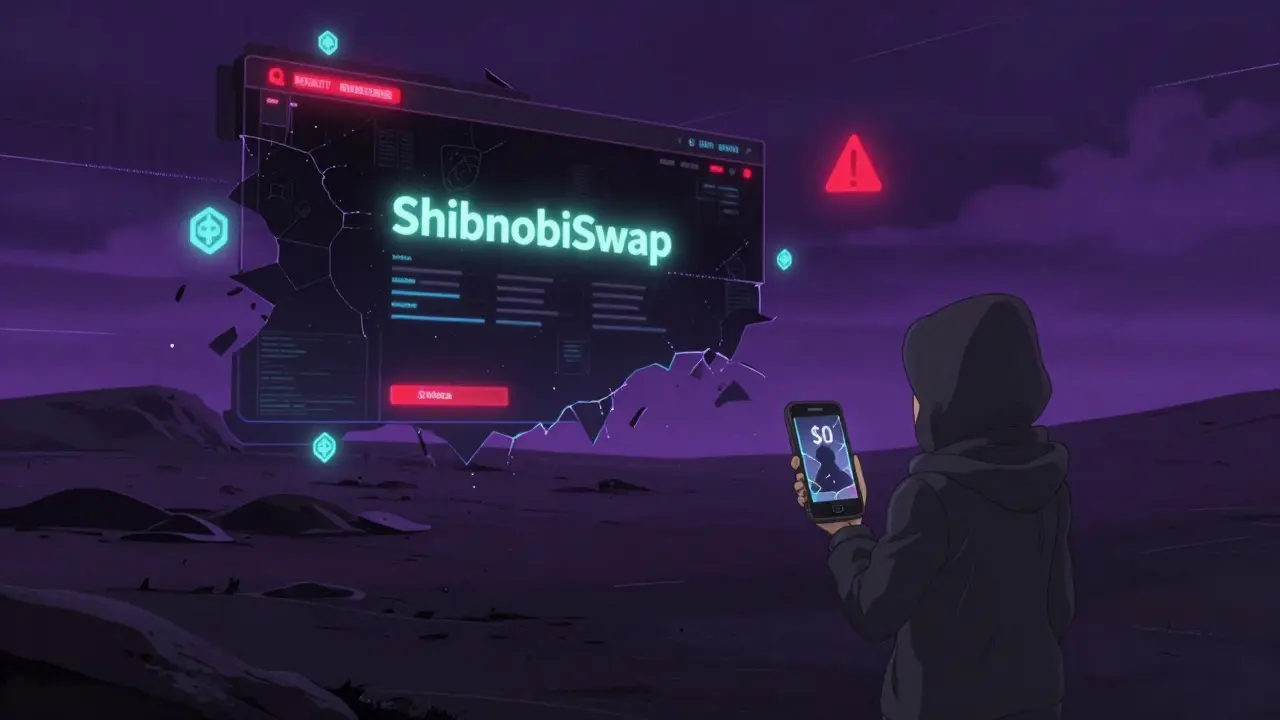
What is Shibnobi (SHINJA) Crypto Coin? The Truth Behind the Ghost Project
Shibnobi (SHINJA) is a crypto coin with no active website, zero development, and collapsed trading volume. Once promoted as a multi-chain ecosystem, it's now a ghost project with 15,000 holders but almost no activity. Here's the truth.

Recent Posts

How to Hedge Against Impermanent Loss in DeFi
March 5, 2026
Common Seed Phrase Mistakes to Avoid in Cryptocurrency Security
December 10, 2025